

Table of Contents
A servo voltage stabilizer needs scheduled inspection because it continuously corrects voltage while carrying electrical load and may operate around dust, heat, vibration, or frequent input fluctuations. A practical servo stabilizer preventive maintenance program combines monthly operational checks, quarterly technical inspection, and annual comprehensive servicing.
Routine external monitoring can often be handled in-house. Internal cleaning, tightening, component inspection, calibration, and electrical testing should be performed only after proper isolation by qualified personnel. A structured voltage stabilizer maintenance schedule helps detect developing problems before they cause downtime.
Quick Summary: Servo Stabilizer Maintenance Schedule
A general maintenance schedule for an industrial servo voltage stabilizer is:
- Monthly: Check operating condition, input/output voltage, ventilation, noise, temperature, alarms, displays, and visible signs of damage.
- Quarterly: Carry out isolated internal inspection, cleaning, connection checks, servo mechanism inspection, protection checks, and performance verification.
- Annually: Perform comprehensive electrical and mechanical servicing, calibration or accuracy checks where required, protection testing, earthing verification, and replacement of worn parts.
The exact frequency should follow the stabilizer manufacturer’s instructions and site conditions. Units running continuously or in dusty, hot, humid, or highly fluctuating environments may require more frequent inspection.
Servo Voltage Stabilizer Maintenance Checklist at a Glance
| Maintenance Task | Monthly | Quarterly | Annual | Technician Recommended? |
| Visual condition and surrounding area | ✓ | ✓ | ✓ | No, for external observation |
| Input/output voltage monitoring | ✓ | ✓ | ✓ | No for normal panel readings |
| Noise, vibration, overheating, smell | ✓ | ✓ | ✓ | Technician if abnormal |
| Cooling fans/airflow inspection | ✓ | ✓ | ✓ | Yes, for internal work |
| Indicators, alarms, and meters | ✓ | ✓ | ✓ | Yes, for testing/calibration. |
| Internal dust cleaning | ✓ | ✓ | Yes | |
| Electrical terminal/connection checks | ✓ | ✓ | Yes | |
| Servo motor inspection | ✓ | ✓ | Yes | |
| Carbon brush/variac inspection, where applicable | ✓ | ✓ | Yes | |
| Contactors, relays, and protection devices | ✓ | ✓ | Yes | |
| Earthing verification | ✓ | ✓ | Yes | |
| Comprehensive performance/load testing | ✓ | Yes |
Monthly Servo Stabilizer Maintenance Checklist
Monthly checks should focus on operating condition and visible warning signs without exposing personnel to energized internal parts.
1. Check Input and Output Voltage
Record the input and regulated output shown on the stabilizer’s approved meters or display. Unexpected variation, an output that does not remain within the unit’s specified regulation range, or a noticeable change from normal operating behavior should be investigated.
2. Listen for Unusual Noise or Vibration
New humming, rattling, repeated clicking, or abnormal mechanical movement may indicate a problem with the servo mechanism, contactor operation, mounting, or another component. Do not assume the cause without inspection.
3. Watch for Heat or Unusual Smells
Check for abnormal cabinet heating, a burning smell, discoloration, or other signs of overheating. If any are present, consult a detailed guide to servo stabilizer overheating and its warning signs and arrange professional inspection rather than continuing operation until a failure occurs.
4. Inspect Ventilation and Cooling
Keep ventilation openings unobstructed. Check that externally visible cooling fans are operating normally where fitted and that dust, stored materials, or nearby equipment are not restricting airflow.
5. Check Displays, Lamps, and Alarms
Confirm that indication lamps, meters, digital displays, alarms, and status indicators appear to operate normally. Record recurring alarms even if the stabilizer continues to supply power.
6. Inspect the Surrounding Area
Look for excessive dust, moisture, water leakage, corrosive contamination, or poor ventilation around the equipment. Also look for visibly damaged cables or wiring, but do not open panels or touch energized conductors.
Quarterly Servo Stabilizer Preventive Maintenance
Quarterly industrial stabilizer maintenance involves detailed internal inspection. This is particularly important for stabilizers serving plants, factories, and industrial equipment that may operate for extended periods.
This work should be performed only after electrical isolation, lockout/tagout procedures where applicable, and verification that the equipment is de-energized. In India, maintenance teams should also observe applicable Central Electricity Authority electrical safety regulations and site safety procedures.
Depending on the design, a trained technician should:
- Remove internal dust using a manufacturer-approved method.
- Check and tighten electrical terminals and connections as specified.
- Examine contactors, relays, MCBs/MCCBs, fuses, surge protection, and other protective devices where fitted.
- Inspect the servo motor, mounting, linkage, and movement.
- Check carbon brushes for wear or abnormal sparking where brushes are used.
- Inspect the variac or variable autotransformer contact surface for abnormal wear, deposits, or burning.
- Check transformer terminals, wiring, insulation condition, cooling fans, filters, and vents.
- Examine control cards, sensing circuits, connectors, and wiring.
- Verify earthing, alarms, protection functions, and input/output correction performance.
Compare findings with previous records. Gradual changes in temperature, response time, noise, or output stability may reveal deterioration.
Annual Servo Stabilizer Service Checklist
Annual servo stabilizer servicing should be more comprehensive. Its scope depends on capacity, design, duty cycle, environment, and manufacturer recommendations.
A typical annual service may include deep internal cleaning; complete electrical and mechanical inspection; servo motor servicing; carbon brush and variac inspection where applicable; transformer, wiring, insulation, terminal, cooling system, controller, and sensing system checks; protection testing; and earthing verification.
The technician should also verify input/output readings, voltage-correction accuracy, and calibration where required. Load testing may be appropriate when performed safely under the manufacturer’s procedure.
Replace worn parts according to actual condition and manufacturer limits, not an arbitrary interval. Carbon-brush life varies with design, operating hours, voltage fluctuations, load, alignment, and environment.
Signs Your Servo Stabilizer Needs Immediate Servicing
Do not wait for the next scheduled service if you notice:
- Unstable output voltage: May indicate a sensing, control, contact, connection, or servo-related problem.
- Frequent tripping: Could result from abnormal load, protection operation, wiring problems, or an internal fault. If this is recurring, review the possible causes of servo stabilizer tripping and arrange inspection.
- Excessive humming or mechanical noise: Requires inspection for electrical or mechanical causes.
- Servo motor running continuously or behaving abnormally: May result from frequent input fluctuations or a control/servo issue.
- Burning smell or excessive heating: Treat as an urgent warning and have the equipment inspected.
- Slow voltage correction: May indicate a problem in the servo mechanism, sensing system, or related components.
- Repeated alarms or inconsistent display readings: Should be checked rather than routinely reset or ignored.
- Visible sparking or excessive brush wear, where applicable: Requires qualified inspection.
- Repeated failure of connected equipment: Check the stabilizer and the wider electrical installation rather than assuming the stabilizer is the sole cause.
How Operating Conditions Affect Maintenance Frequency
The monthly-quarterly-annual schedule is a practical baseline, not a universal rule. Maintenance of the servo voltage stabilizer may need to be more frequent when equipment operates for long hours, carries high loads, experiences frequent voltage fluctuations, or is installed in dusty, humid, hot, poorly ventilated, or contaminated areas.
Actual loading should also be reviewed periodically. An undersized or increasingly overloaded stabilizer may experience higher stress, so facilities should verify capacity using an appropriate servo stabilizer KVA calculation when connected loads change.
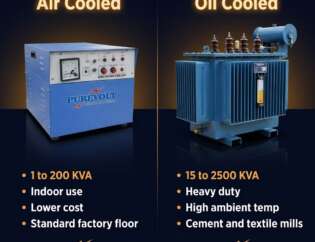
Maintenance needs also vary with stabilizer capacity, cooling arrangement, enclosure, controller design, and internal construction. For example, the inspection requirements of an oil-cooled servo voltage stabilizer will differ in some respects from those of an air-cooled unit.
Site history and manufacturer recommendations should therefore determine the final servicing schedule.
Preventive Maintenance vs. Breakdown Maintenance
Preventive maintenance aims to identify developing problems while the stabilizer is still functioning. Breakdown maintenance starts after the equipment has already failed.
For an industrial facility, waiting for failure can mean production stoppage, emergency repair, equipment damage, and production losses. A planned checklist for servo stabilizer service makes inspections repeatable and helps teams correct deterioration before shutdown.
Maintain a Servo Stabilizer Service Record
Keep a maintenance log for each stabilizer. Record the inspection date, input and output voltage, operating load, abnormal observations, components inspected, parts replaced, technician recommendations, and next planned service date.
Consistent records help teams identify recurring alarms, progressive brush wear, changing voltage behavior, overheating patterns, or repeated component issues. They also give technicians useful history when diagnosing a new problem.
FAQs
How Often Should a Servo Voltage Stabilizer Be Serviced?
A practical baseline is monthly checks, quarterly preventive inspection, and annual servicing. Follow the manufacturer’s schedule and increase frequency for demanding conditions.
What Maintenance Does a Servo Stabilizer Require?
Typical maintenance includes voltage monitoring, ventilation and cooling checks, cleaning, electrical-connection inspection, servo mechanism checks, protection testing, earthing verification, and brush/variac inspection where applicable.
How Do I Know If My Servo Stabilizer Needs Servicing?
Unstable output, repeated tripping, unusual noise, overheating, burning smell, slow correction, frequent alarms, abnormal servo movement, or visible sparking are reasons to arrange professional inspection.
Can Servo Stabilizer Maintenance Be Done In-House?
External visual checks and normal panel readings may be handled by appropriately trained site personnel. Internal inspection, cleaning, tightening, electrical testing, repair, and calibration should be performed by qualified personnel following appropriate safe-work procedures.
For electrical work, electrical safety-related work practices for de-energized and energized equipment provide a useful reference on isolation, verification, and qualified-person requirements.
How Often Should Carbon Brushes Be Replaced?
There is no universal replacement interval. Brush wear depends on the stabilizer design, operating hours, voltage fluctuations, load, alignment, and environmental conditions. Replace brushes according to condition and manufacturer guidance.
Does an Industrial Servo Stabilizer Require Annual Maintenance?
Annual servicing is a sensible general practice, but the exact interval should follow manufacturer recommendations, operating conditions, site policy, and equipment condition.
Conclusion
A structured monthly, quarterly, and annual servo stabilizer preventive maintenance program makes voltage stabilizer maintenance easier to manage and helps identify developing electrical, mechanical, cooling, and control problems before they cause downtime.
Routine observations can be handled by an appropriately trained in-house team, but internal inspections and technical servicing should be completed by qualified personnel with the stabilizer safely isolated. Combined with accurate service records and manufacturer-specific guidance, regular professional servo stabilizer servicing can support dependable operation throughout the equipment’s working life.