

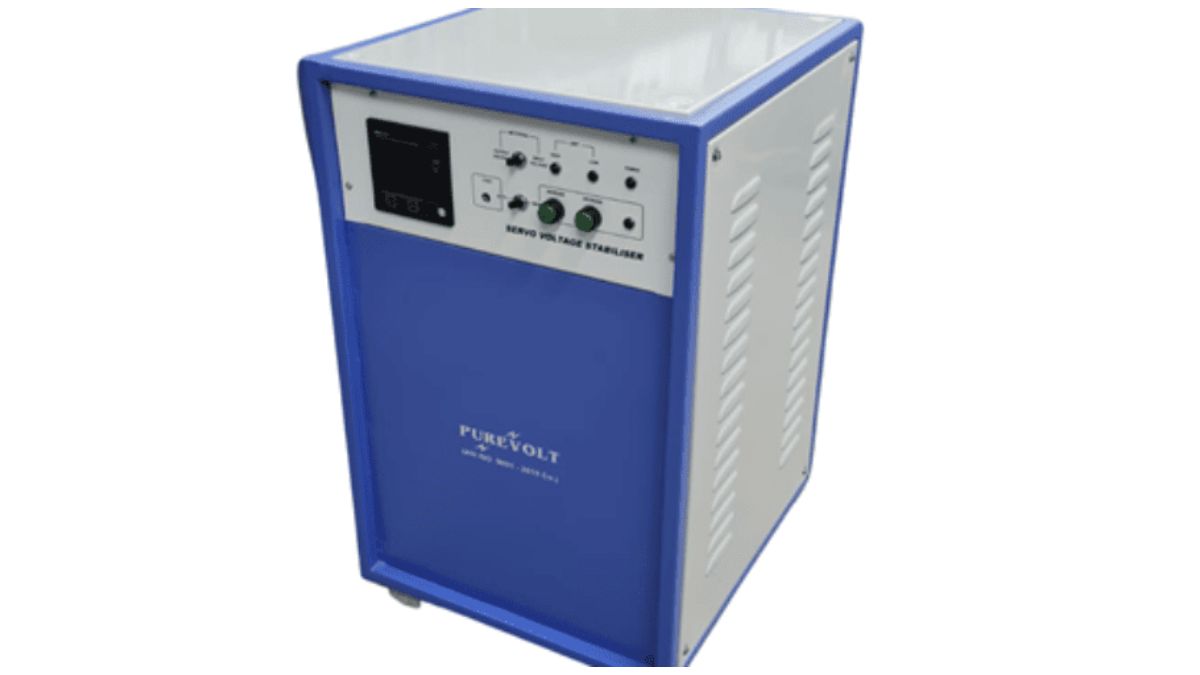
In layman terms, a servo voltage stabilizer is a very simple device made using a combination of basic electronics and transformers like a Variable Transformer and a Buck-Boost Transformer, coupled with servo motors to regulate the incoming power supply and provide the desired regulated output voltage.
Before we move ahead, we must understand that every machine, appliance, industry, plant, and other establishment has its own input and output voltage requirements. For example, some machines require 380 V output while others require 400 V output, and so on. So let’s have a look at the factors to be considered before planning to buy a servo voltage stabilizer.
Servo voltage stabilizers are an important part of an electrical supply system that prevent damage and electrical hazards by controlling voltage fluctuations. Electrical current supplied directly from the power/hydroelectric stations or step-down transformers often carry huge loads and can fluctuate rapidly. If such fluctuating current is fed to a machine or appliance, it may cause an overload or create a short circuit, rendering the appliance useless for further use.
By using a servo stabilizer, voltage fluctuations are controlled efficiently and thus protect the expensive machinery used in production. Today, let us look at the industries that invest in a servo stabilizer for safety and long life of electrical appliances and equipment.
Hospitals and Medical Equipment
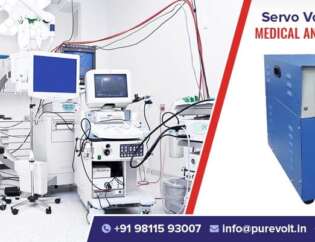
A hospital is a critical space that uses delicate machines for various life-saving purposes. Such appliances often work at a prescribed voltage limit and have very little tolerance for electrical fluctuations. Servo stabilizers are therefore important equipment that prevent overloading of delicate medical instruments and machinery like CT scanning machines, MRIs, etc., by controlling the incoming voltage and proving to be a good long-term investment.
CNC Machines
CNC machines are calibrated for utmost precision and play a crucial role in time-based manufacturing processes. They involve delicate circuitry that can get damaged due to voltage fluctuations. Investing in a servo stabilizer is the best way to prevent electrical damage to CNC machines and ensure long life.
Packaging Industry
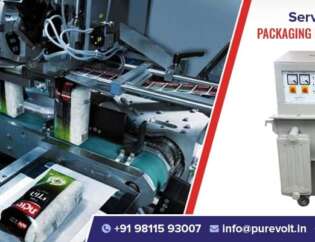
Similar to CNC machines, the packaging industry also uses large machinery, conveyor belts, and other systems that rely heavily on electricity. These systems are often automated, and if a single component halts, the entire production line may be affected. One of the major reasons for such disruptions is voltage fluctuation. Using a servo stabilizer in such an industry helps reduce losses, ensures safety from electrical hazards, and keeps the machinery running smoothly.
Textiles
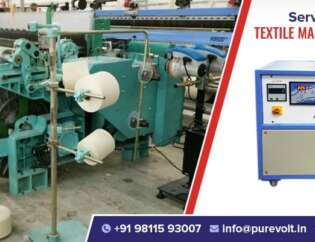
Machines used in the textile industry often operate on a three-phase supply line, and such electrical connections experience voltage fluctuations regularly. To prevent damage to electrical equipment, a servo stabilizer is used to arrest these fluctuations so the machines function without technical issues like overloading.
Purevolt Servo Stabilizer Manufacturer
We have given a glimpse of how a servo stabilizer serves as a protective element for expensive machinery and adds value to a business. Apart from the industries mentioned above, servo stabilizers are also used in MSMEs, SMEs, and residential areas, making them an all-around electrical appliance that we can rely on to keep our businesses running without electrical hazards.
Purevolt is a brand known for its cost-effective electrical appliances, including servo stabilizers, and is recommended by many industries in India as well as abroad. Purevolt Servo Stabilizers have been in service for the past few decades and have been instrumental in providing an affordable safety solution for industrial and residential applications.
To know more, reach out to us today and let us help you choose the best solution for your business needs. We are offering the best prices for Servo Voltage Stabilizers to our dealers and distributors.


This is a reply to the sample comment!
This is a reply to a reply!